In the high-stakes world of industrial power distribution and utility-scale electricity transmission, safety is not merely a goal—it is a physical ...
In the high-stakes world of industrial power distribution and utility-scale electricity transmission, safety is not merely a goal—it is a physical requirement. Electrical maintenance professionals deal with invisible, lethal forces every day. Among the various protective devices installed in a substation or switchgear room, the disconnector—commonly referred to as an isolating switch—often plays a secondary role to the circuit breaker in the minds of the public. However, for the seasoned engineer, the disconnector is the true "lifeline" of electrical maintenance. Its ability to provide a visible break point is the final, non-negotiable barrier between a safe work environment and a catastrophic accident.
1. Defining the Visible Break: The Physics of Air-Gap Isolation
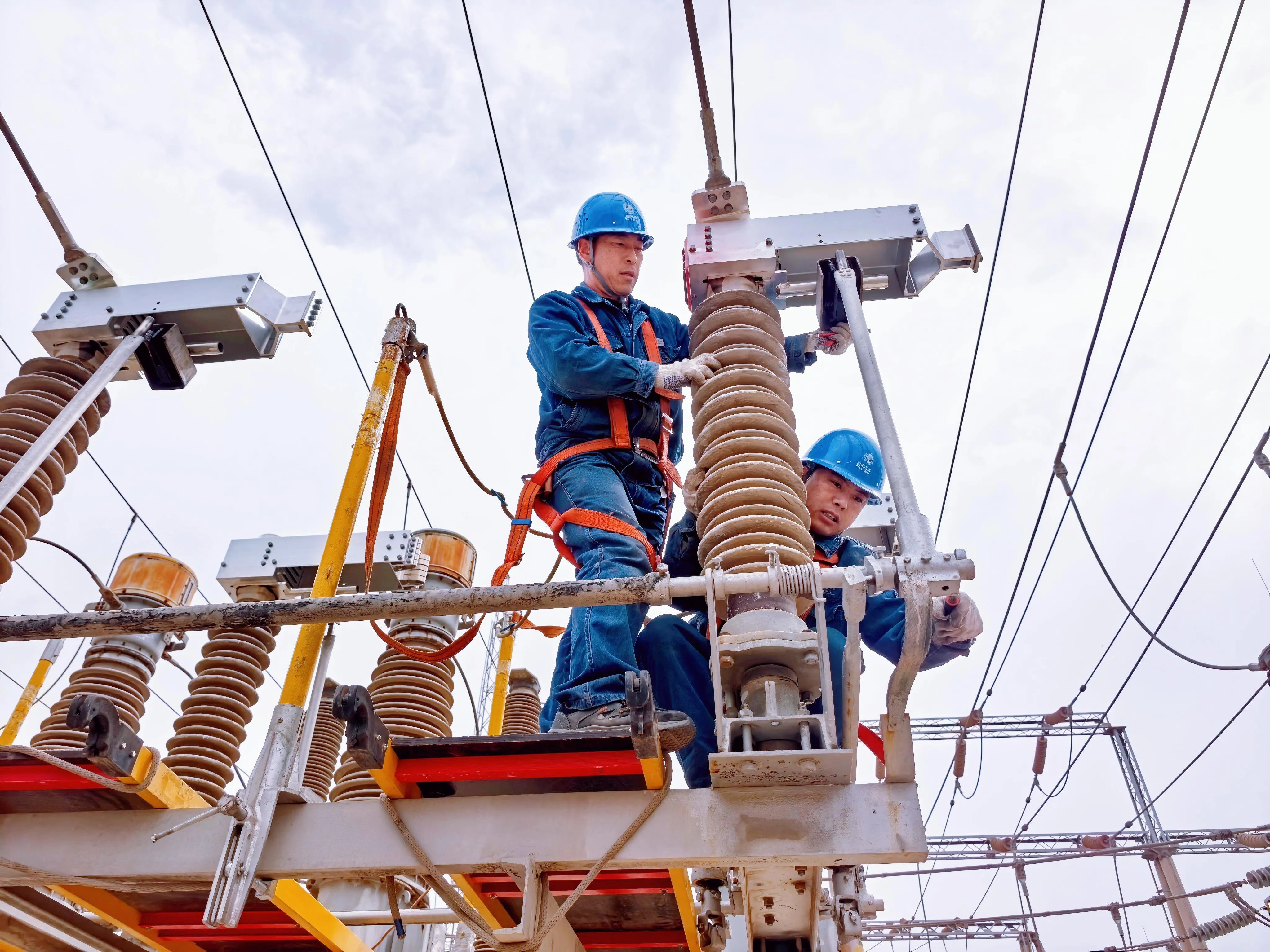
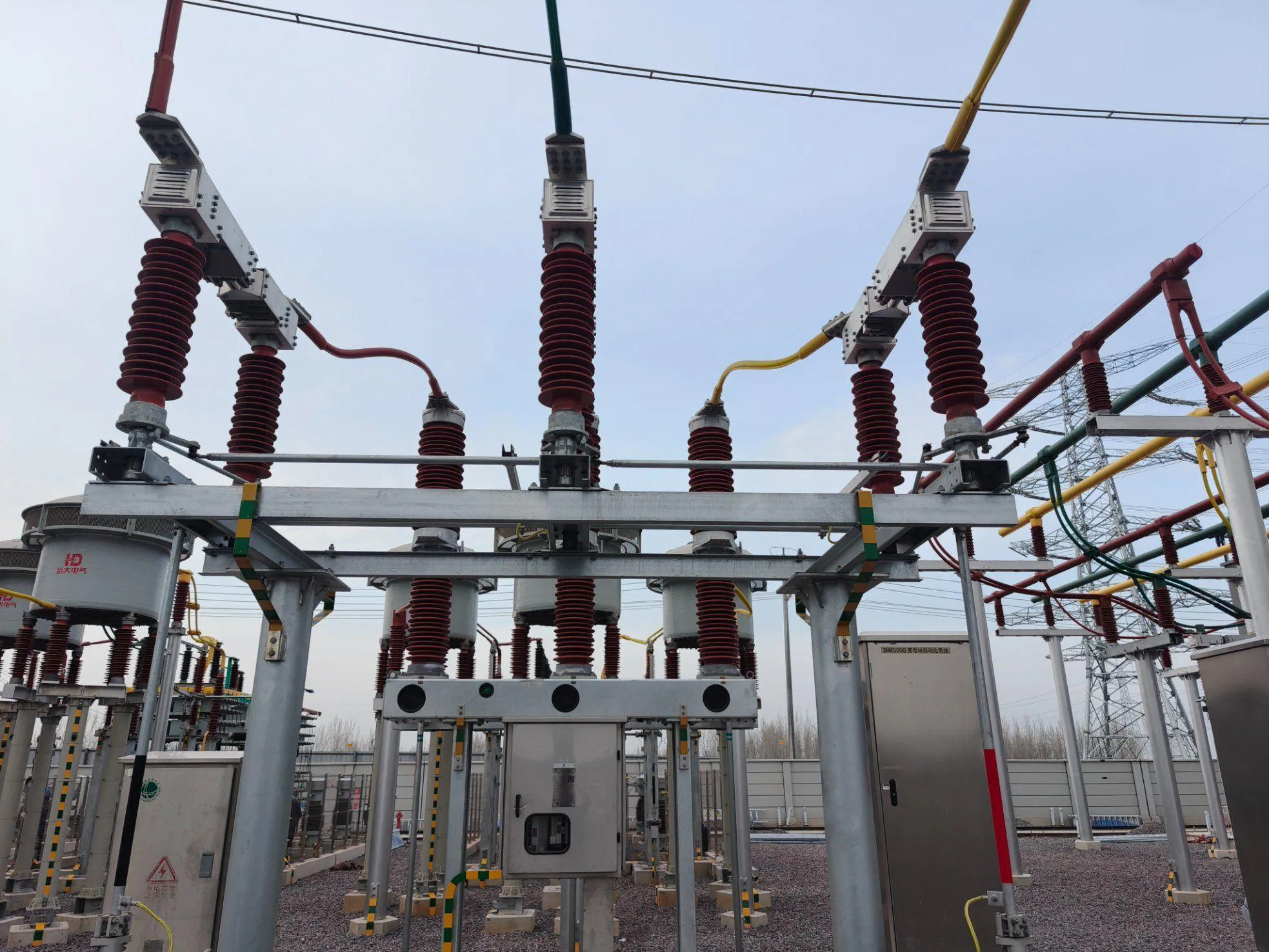
At its core, a disconnector is a mechanical device designed to isolate a circuit by creating a clear physical gap in the conductor path. Unlike a circuit breaker, which utilizes vacuum, oil, or gas to extinguish a high-energy arc to interrupt current, the disconnector has no such intent. The "visible break" refers to the physical separation of the contacts, creating an air gap that acts as a dielectric barrier. When a disconnector is opened, the air gap provides a tangible, observable assurance that the downstream circuit is electrically severed from the power source. This physical discontinuity is the fundamental principle of electrical isolation.
2. Beyond the Circuit Breaker: Why Electronic Protection Isn’t Enough for Personnel Safety
A common misconception among non-specialists is that if a circuit breaker is in the "OFF" position, the equipment is safe to touch. While a breaker is designed to trip and stop the flow of electricity, it is still a mechanical and electronic system prone to failure. Contacts can weld shut, or a control circuit may experience a "false closure" due to electromagnetic interference or human error in the control room. Relying solely on the state of a circuit breaker for personnel safety is a violation of industry standards. The disconnector provides a secondary, redundant layer of security that functions independently of the breaker’s internal control mechanisms.
3. The Human Element: How Visual Confirmation Reduces Operational Anxiety
The psychological aspect of electrical maintenance cannot be overstated. When a technician is required to perform maintenance on a piece of high-voltage machinery, the greatest stressor is the lingering doubt: "Is it really off?" The visible break point transforms this abstract fear into objective reality. Being able to walk up to the switchgear, look through a viewing window, and physically see the air gap between the switch blades provides the definitive "Go/No-Go" decision point for the maintenance team. This visual confirmation significantly reduces operational anxiety, allowing technicians to work with the confidence that they are protected from accidental re-energization.
4. Operational Protocols: Executing the "Lockout-Tagout" Process
The disconnector is the physical centerpiece of the LOTO (Lockout-Tagout) procedure. Once the circuit has been isolated by the disconnector, a lock is applied to the operating mechanism to prevent it from being moved, and a tag is placed to warn others that personnel are working on the line. Without the disconnector’s ability to create a secure, locked position, LOTO would be incomplete. This protocol ensures that even if an unauthorized person attempts to operate the switch, the physical gap remains in place, maintaining the integrity of the isolation.
5. Failure Modes and Maintenance: Ensuring Your Lifeline Remains Reliable
Because the disconnector is the last line of defense, its maintenance is critical. Common failure modes include the oxidation of contact surfaces, mechanical binding of the operating rod, or the accumulation of dust and moisture on the insulators, which can lead to tracking or flashovers. A lifeline is only as strong as its weakest point. Regular inspection—checking contact pressure, lubrication of the pivot points, and cleaning of the insulators—is essential to ensure that when the time comes to isolate the circuit, the disconnector operates smoothly and without incident.
6. The Evolution of Safety: Integrating Smart Sensing with Traditional Isolation
The future of electrical safety lies in the convergence of traditional mechanical reliability and modern digital intelligence. Today, we are seeing the integration of auxiliary contacts, position sensors, and camera-based monitoring systems into disconnector housings. These technologies allow remote monitoring of the blade position, ensuring that the "visible break" is verified not just by the human eye, but by a digital system that logs the state of the switch in real-time. By combining the mechanical certainty of an air gap with smart sensing, we are reducing human error and enhancing the reliability of the isolation process, ensuring that the disconnector remains the gold standard of electrical safety for decades to come.
The visible break point provided by a disconnector is the cornerstone of electrical safety culture. In an industry where mistakes can be fatal, this mechanical simplicity is our greatest asset. Never treat isolation as a secondary task; it is the most critical step in protecting the people who keep our power grids running.
Chennuo Electric Technology Group Co., Ltd
Tel:+86 19303791130
Email:sales@chennuojt.com
Add:No. 9 Duyu Street, Luolong District, Luoyang City, Henan Province, China

